 Last week Mark and I enjoyed a short stay in Tarragona, a city in Catalonia about five hours’ drive from here. Tarragona started out as Tarraco, the capitol of part of Roman Hispania and Caesar Augustus’s winter getaway. The picture above is of a statue of the Snowbird Emperor, as I’ve come to think of him, although I’m guessing he came in a galley and not a Winnebago with a bunch of “See Rock City!” and “We’re spending our children’s inheritance!” bumper stickers on the back.
Tarragona has many delights, but, geeks that we are, we concentrated on the Roman sites. That focus actually didn’t narrow the field much, as there’s a lot in this category to see. For example, we ate our first dinner in Tarragona at a restaurant overlooking a park and the ruins of an amphitheater that once seated 15,000 people. This amphitheater once boasted, among other delights, gladiatorial fights and the burning of Christians. Behind the ruins, the Mediterranean rolled its gentle sea rhythm, and we were shaded by a vine-covered pergola. That was not too shabby a start.
We began our first full day in Tarragona at the Praetorium. It was Augustus’s quarters in Tarraco, and local legend says that Pontius Pilate was born there. Much of the building was redone in the Middle Ages, but you can still walk through an arched Roman tunnel out to the remains of the Circus Maximus. This is the tunnel Augustus would have used to go take in the odd chariot race in the Circus. One curve of the track and some of the stands remain, and models and drawings allow you to get a sense of how the area looked during its glory days.
Our next stop was the archeological promenade next to the Roman city walls. Again, the walls were modified in the Middle Ages, but most of the wall is original (from the 3rd Century B.C.) and is spectacular. The promenade is beautifully landscaped and runs about three-quarters of a mile. Opposite the walls, stairs lead up to overlooks with views of the sea. And statues like the one pictured above and signs with information about Roman times dot the side of the walkway. One set of signs talked about Scipio, the Roman general who, against the odds, defeated the Carthaginians in Hispania in the Second Punic War (have to be careful with Auotcorrect on that name) and established a base camp here that evolved into a city. Pliny the Elder wrote about Scipio and his work in Tarraco.
Deviating briefly from our Roman theme, we next visited the Cathedral, which was, well, very cathedral-y. My favorite part was the courtyard, which is surrounded by a loggia and contains beautiful flowers and orange trees. Moving back to the Romans, we next toured the remains of the local forum, where people socialized, worshipped in a temple to Jupiter, Juno, and Minerva, and transacted business. Not a lot is still here, as much of the site was destroyed during a city expansion in the 19th century.
Our last stop that day was a section of Roman aqueduct outside of town. Google maps took us on the scenic route, to say the least, but the end result was totally worth it. The aqueduct is composed of three levels of arches supporting a long sluice at the top. The section we saw was in great shape, and we clambered up a hill to get a look at the sluice. The engineering is amazing.
The next day we saw sites that were a bit farther afield. Our first stop was an early Christian cemetery, used between the third and fifth centuries CE and home during part of that time to a basilica. The cemetery reportedly grew up around the grave of St. Fructuoso, one of the Christians martyred in the amphitheater described above. (I have to admit that the name Fructuoso was a new one to me, and I fleetingly contemplated searching for the companion grave of St. Sucroso.) Fellow Christians wanted some holy osmosis, I guess, and arranged to be buried near the martyr. In all, over 2,000 graves have been discovered at the cemetery, and an underground mausoleum and displays of sarcophagi and funerary mosaics rounded out the tour.
After that we drove to the so-called Scipio’s Tower, which is said to be a funerary monument to Scipio, even though it dates from a later period than his and he was reportedly buried at his villa in Italy. Then we went to see the Berá Arch, which was built in the first century BC. It’s in remarkably good shape and stands on a grassy island on a road still called the Via Augusta, after Cesar. We left the Arch and had a lovely lunch on the way back to the hotel at a restaurant that served its meals in an interior courtyard. The courtyard contains several trees with low, leafy canopies, so you eat in the dappled shade. It’s delightful. The only odd thing about the restaurant was its advertisement of “Breakfast of Fork” for €8.50. I have no idea what that means.
So that’s our itinerary. However, our trip was more than just a series of places, as cool as those places were. It was also an opportunity to reflect on how history is shaped by what is told and what’s not, what is preserved and shown and what’s not. For example, we know that part of the Forum was destroyed for new construction in the 19th century, but what about the much more recent construction of the three-story shopping mall next door to the early Christian cemetery? It’s an odd sensation to sit in the food court in a busy mall, sipping your soda from McDonald’s and wondering who’s buried in an amphora underneath you. Too, some history just doesn’t make the cut. Iberians get no mention in Tarragona’s historical exhibits, but they inhabited what became Tarraco well before the Carthaginians arrived. They traded with the Greeks and Phoenicians, built city walls on which the Roman walls were later constructed, and provided Scipio with valuable supplies and information during his battles. And some history is just cheerfully, overtly fake. As I noted above, the Scipio Tower has nothing to do with Scipio. Somebody just noted that there were two figures carved on it, decided that they must be Scipio and his fellow general brother, and the Tower got its present name. There’s history to our history, and it’s not always clear.
It is possible to learn some of our history’s history, though, and that process seems refreshingly honest when you encounter it. The best example I can provide you here is the sign next to the statue of Augustus shown above. The first part of the sign explains that the statue is a cast of one in the Vatican’s collection, minus a random dolphin and Cupid hanging off the right leg of the original. But the explanation continues, noting that Italy gave the statue to Spain in 1934 as a show of friendship from Mussolini to Franco. The statue was hidden away to keep it safe during the Civil War and then reinstalled in 1939 during a goodwill tour of a Mussolini government official. So conflicts old and new are explained and sins laid bare in this one, brief sign.
I’m grateful for the opportunity to see interesting and beautiful historical sites. I also wish for all of us to get access to more of the history of the history. The United States, of course, is struggling with this issue right now. We’re asking questions like the ones I wondered about in Tarragona. Who was here before the conquerors showed up, and what were they like? What barbarity is associated with this beautiful structure or that handsome statue? What’s been covered up or suppressed or lost? What falsehoods do we tell ourselves about “historical” monuments and movements and people? Once we start answering those questions and see that history has both literal and figurative layers, perhaps we can begin to deal with the biggest question of all: How do we come to terms with a history that is a mixed bag of good and evil? To me, that coming to terms would in itself be a historical event. So maybe our current questioning and searching is the history of the history. And it seems to me that’s a great place to begin.

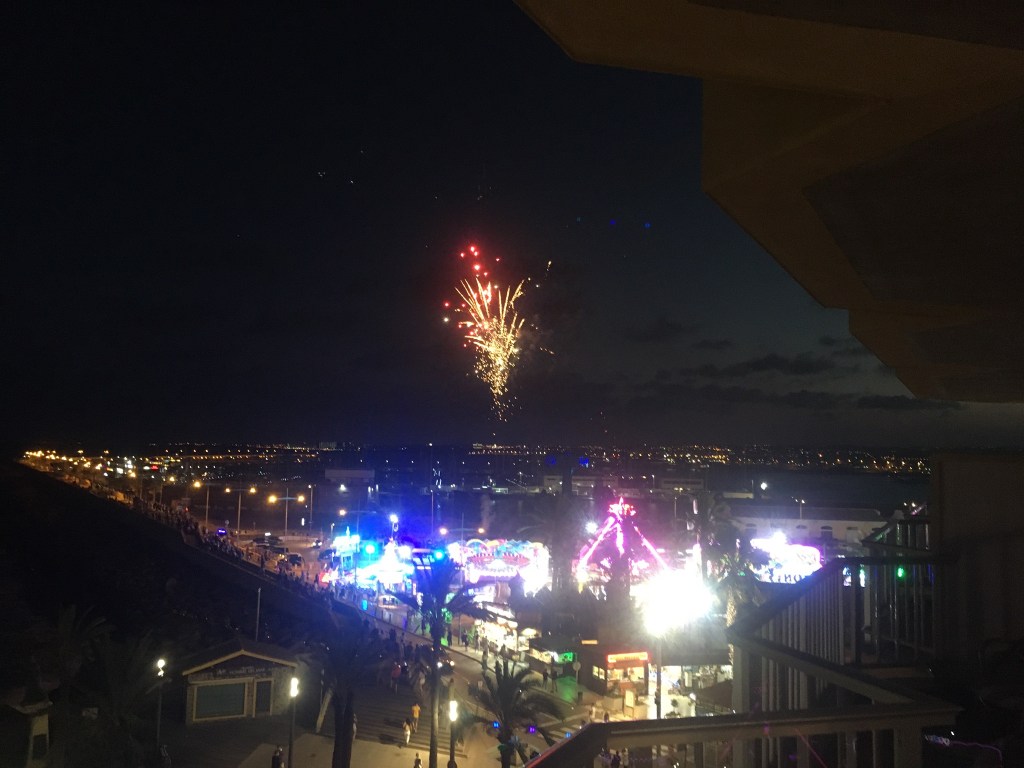
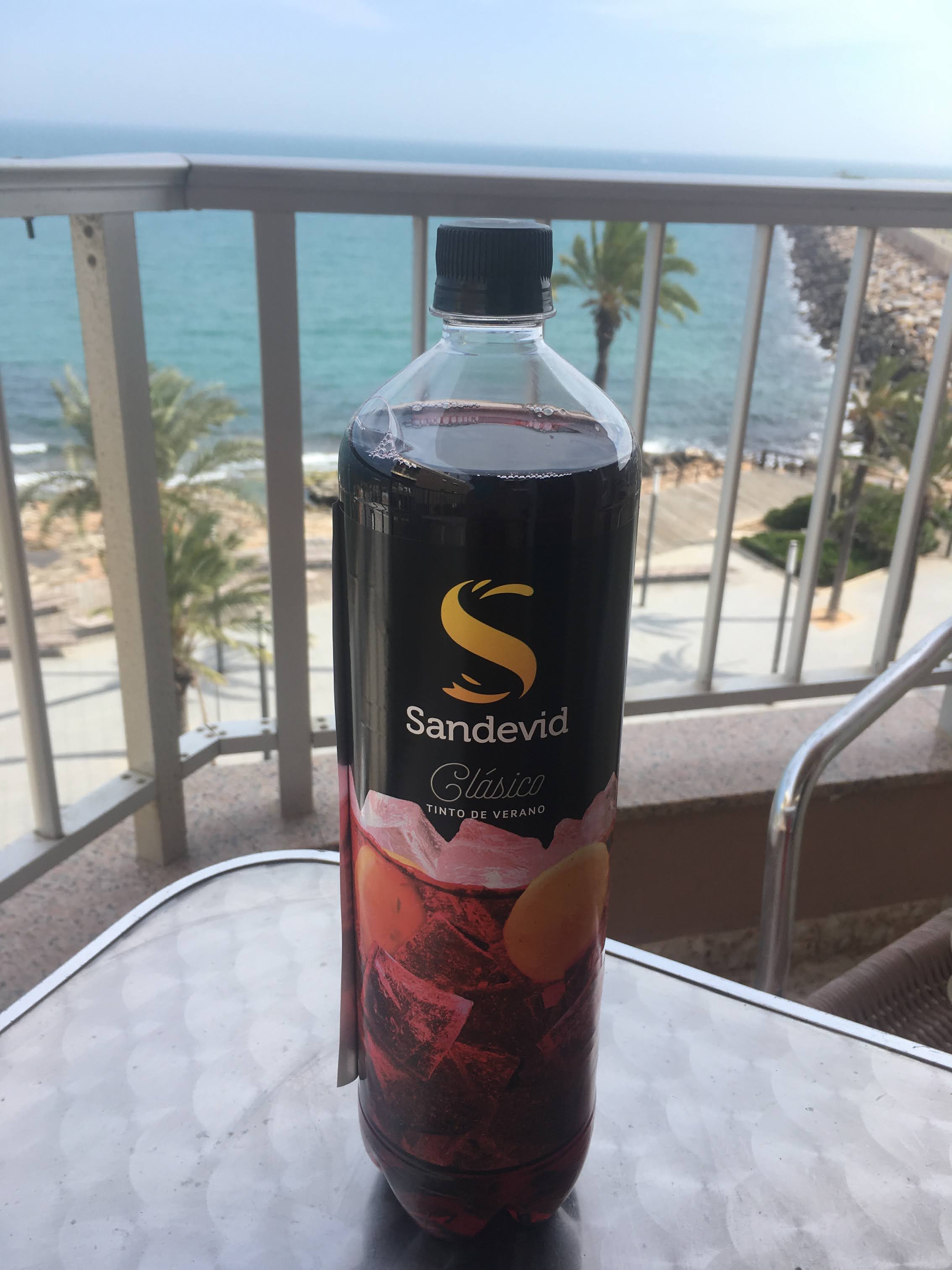 As you may know, Spain is prohibiting most travelers from the USA from entering the country. This prohibition stems from concerns about the rapid spread of COVID-19 in the USA. For its part, Spain has experienced a small uptick in cases since reopening about two weeks ago, reporting 200 new cases and three deaths yesterday (June29). Most of these cases, though, are located in pockets in Madrid, Catalonia, Aragon, and Andalusia. Several of the cases are linked to persons entering Spain to work on farms and in meat-packing facilities. This isolation allows for quarantine and tracing to take place. At the same time, masking and social distancing requirements remain and are enforceable by the police by on-the-spot citations carrying fines of up to €1,000.
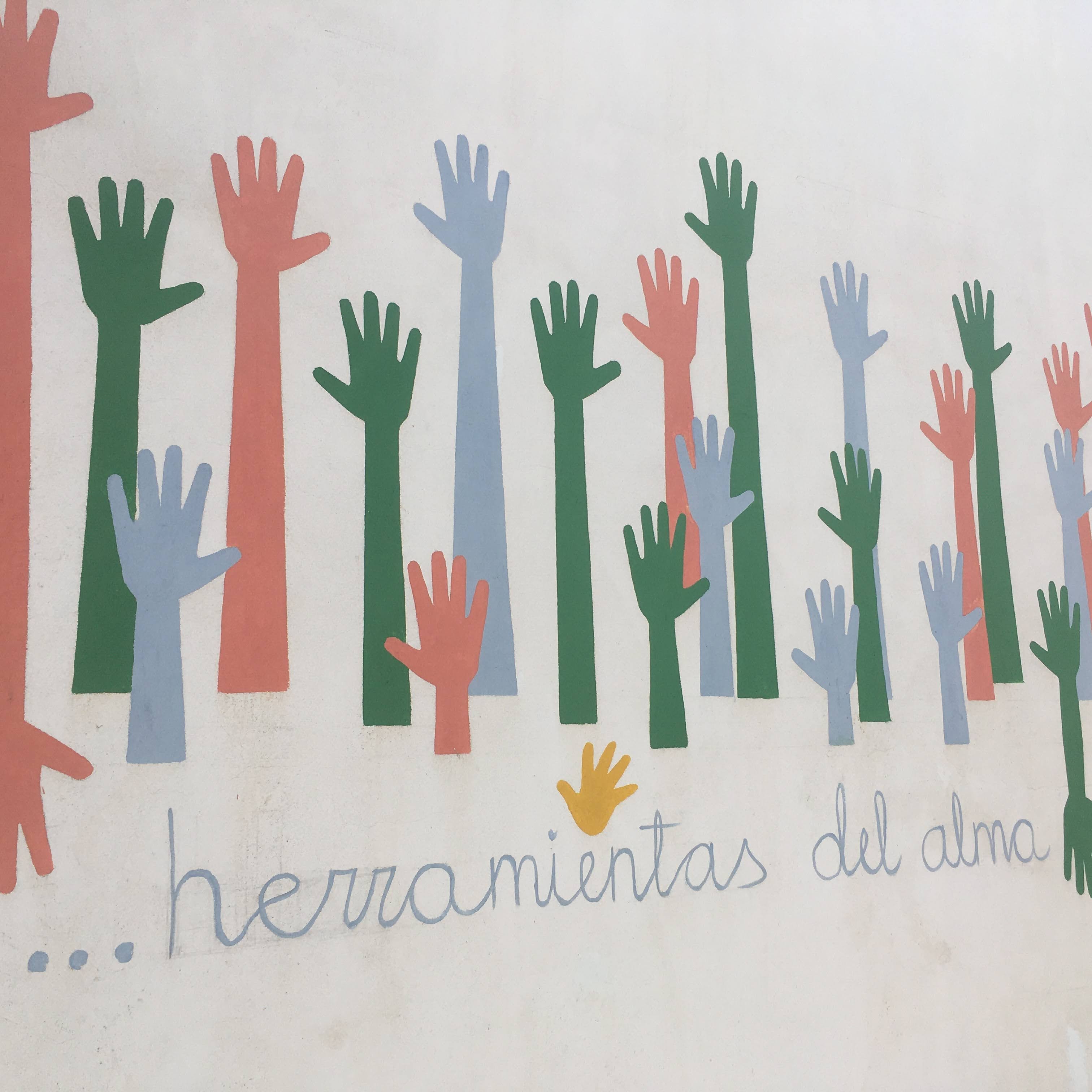 Last Saturday Mark, our friend Nancy, and I visited Orihuela. That’s a city of about 34,000 people that lies half an hour’s drive from us. Orihuela is an old city; it was well-established by 859CE, when Vikings attacked it, and still remembers its crafty Visigoth king, Theodemir, who negotiated with invading Muslim troops headed by Ibn Musa and managed to retain a degree of sovereignty over his realm. Today, the
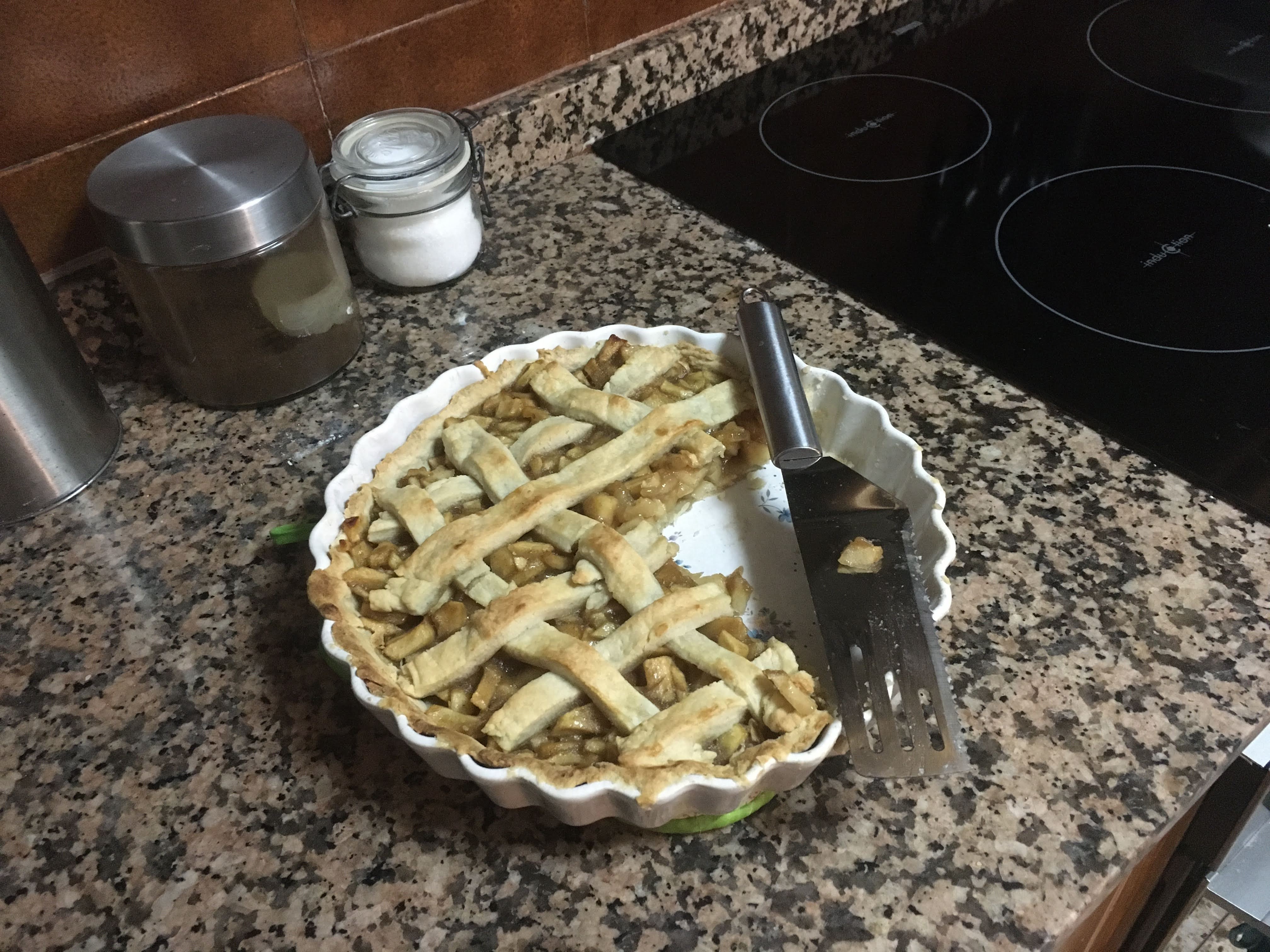 We had a death in the family yesterday. Oh, no person passed away, but a relationship died.
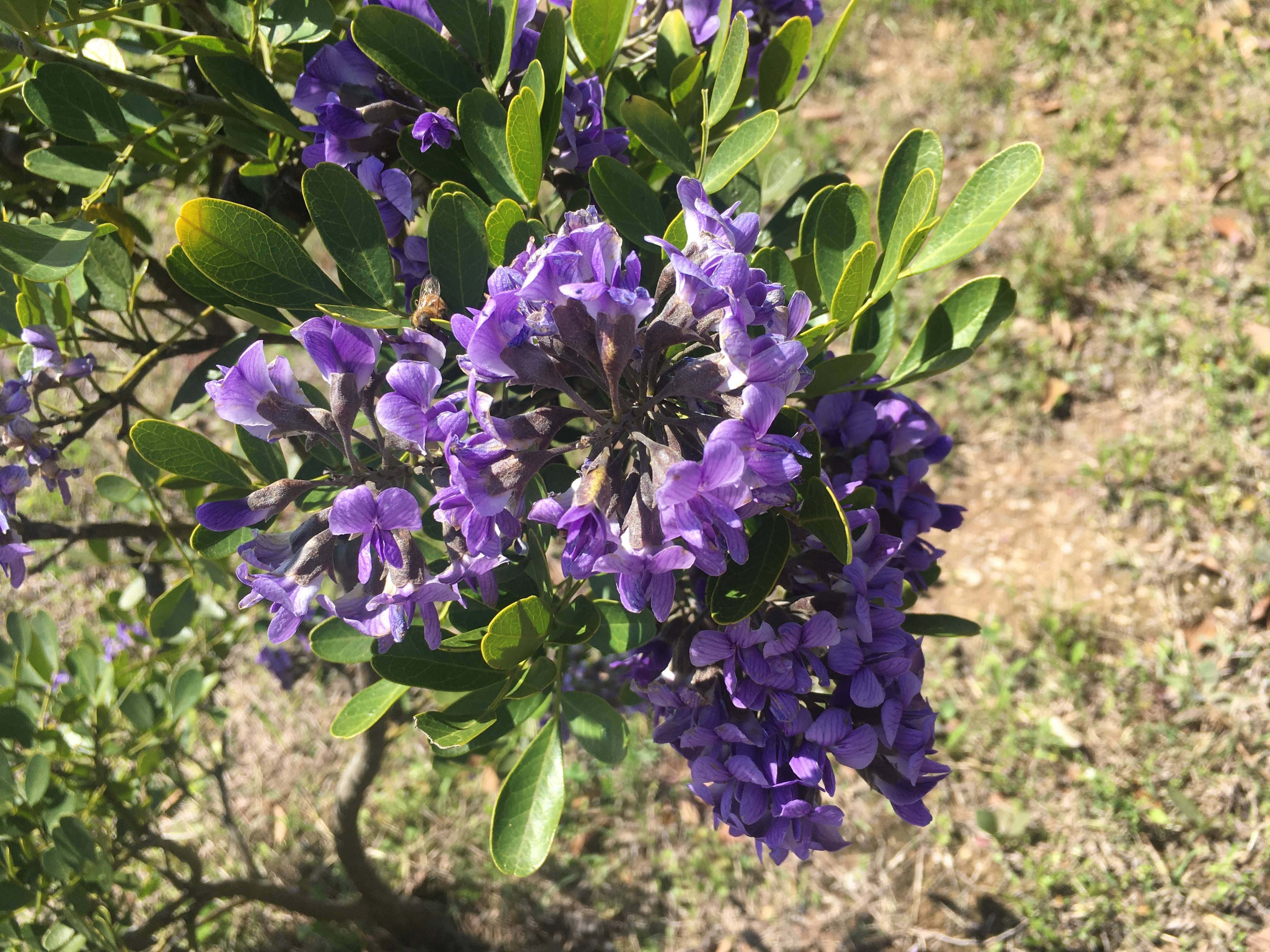 This is a picture of a mountain laurel bloom. I took it in Texas last summer. Sadly, these plants don’t have a fragrance. But they do grow to be hardy and beautiful, despite intense heat, hungry deer, occasional brutal freezes, and frequent droughts. Perhaps the Talmud is right when it says, “Behind every blade of grass is an angel whispering, ‘Grow.’” Grass angels must work overtime on mountain laurels.
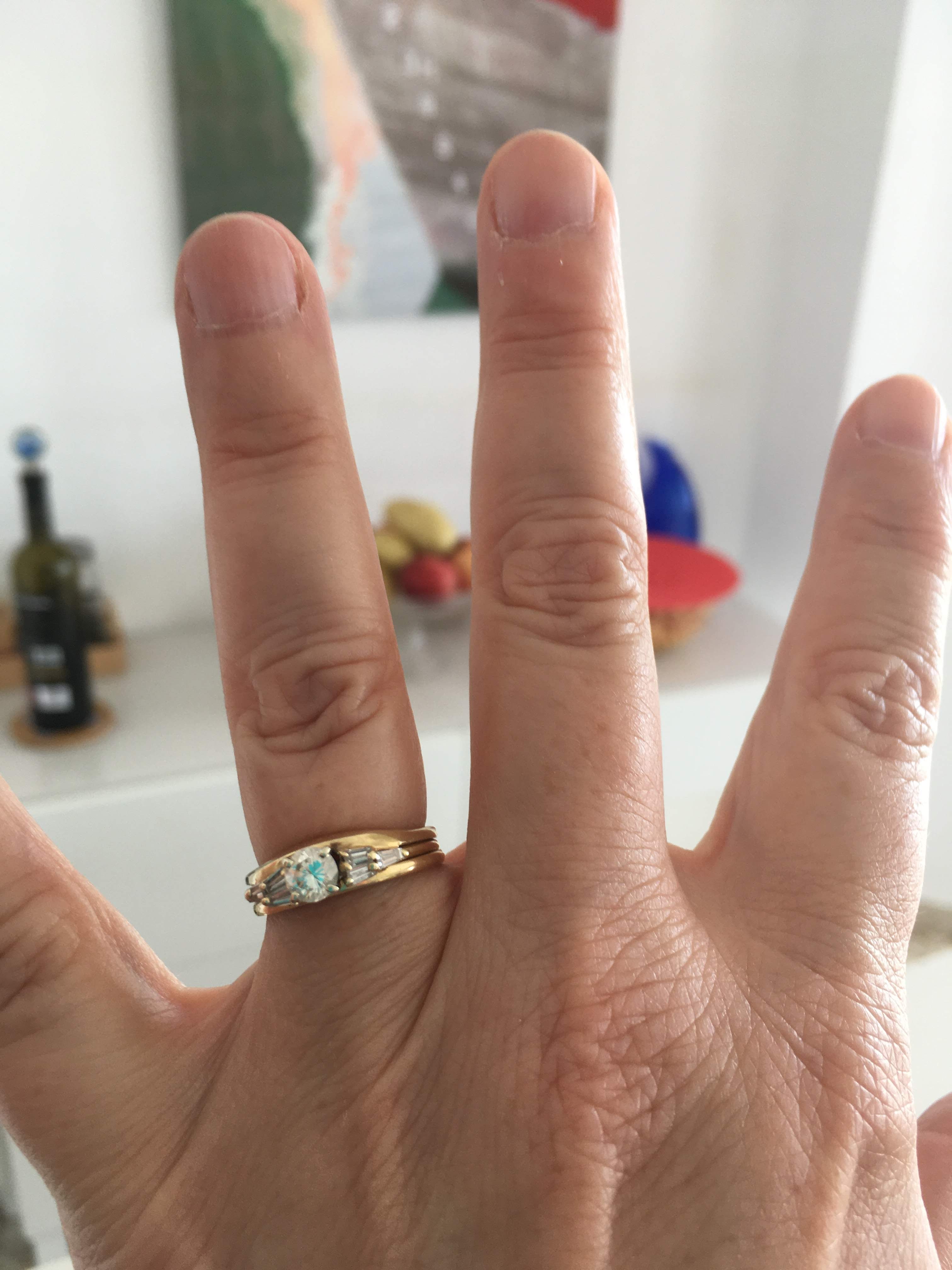 Yesterday was the thirty-fifth anniversary of the day Mark and I got engaged. We always celebrate this day; this year we had a delicious, leisurely dinner on the terrace of a local restaurant. The palms overhung our table, the crescent moon shone up in the sky, and the Mediterranean splashed and frolicked in front of us. It was a lovely night.
 The day before yesterday was American Mother’s Day – hence the card. Being COVID-conscious, Mark skipped shopping and printed this one. We also had a really fun Zoom chat with our kids, and the five of us played an online game of Clue together. It was a great day.
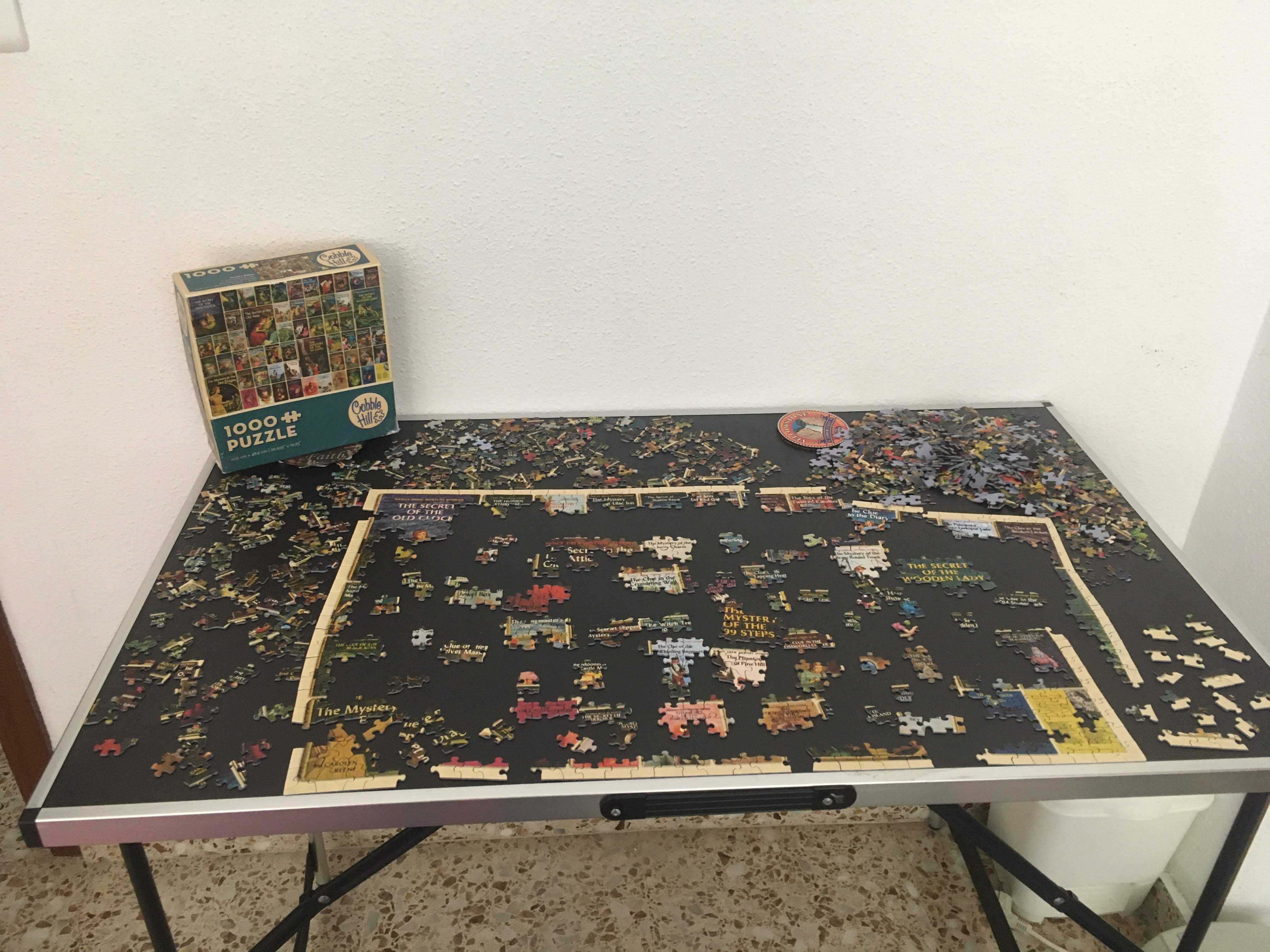 I try to read just enough news every day to stay informed without being driven crazy. This balance has been hard to find lately, as reports of protesters clamoring for their God-given right to go to Applebee’s instead of staying home to avoid spreading dangerous infections fill not only news sites but also my Facebook feed. My friends are pretty much incredulous in the face of these folks, and I have to admit that I agree that the protestors appall me with their lack of knowledge and empathy. But I do have a theory about why they’re protesting.
 Kathy and Mark’s Frolic and Detour